Every 3 seconds, a dog owner searches "why is my dog barking at nothing." Right now, millions of dogs are suffering from anxiety and stress that could be managed—or prevented entirely.
If you've ever watched your dog pace nervously, bark at invisible threats, or tremble during thunderstorms—you're not alone. 78% of dog owners don't recognize the early signs of anxiety until behaviors become severe.
The good news? Understanding why your dog behaves this way is the first step toward helping them feel calm and secure.
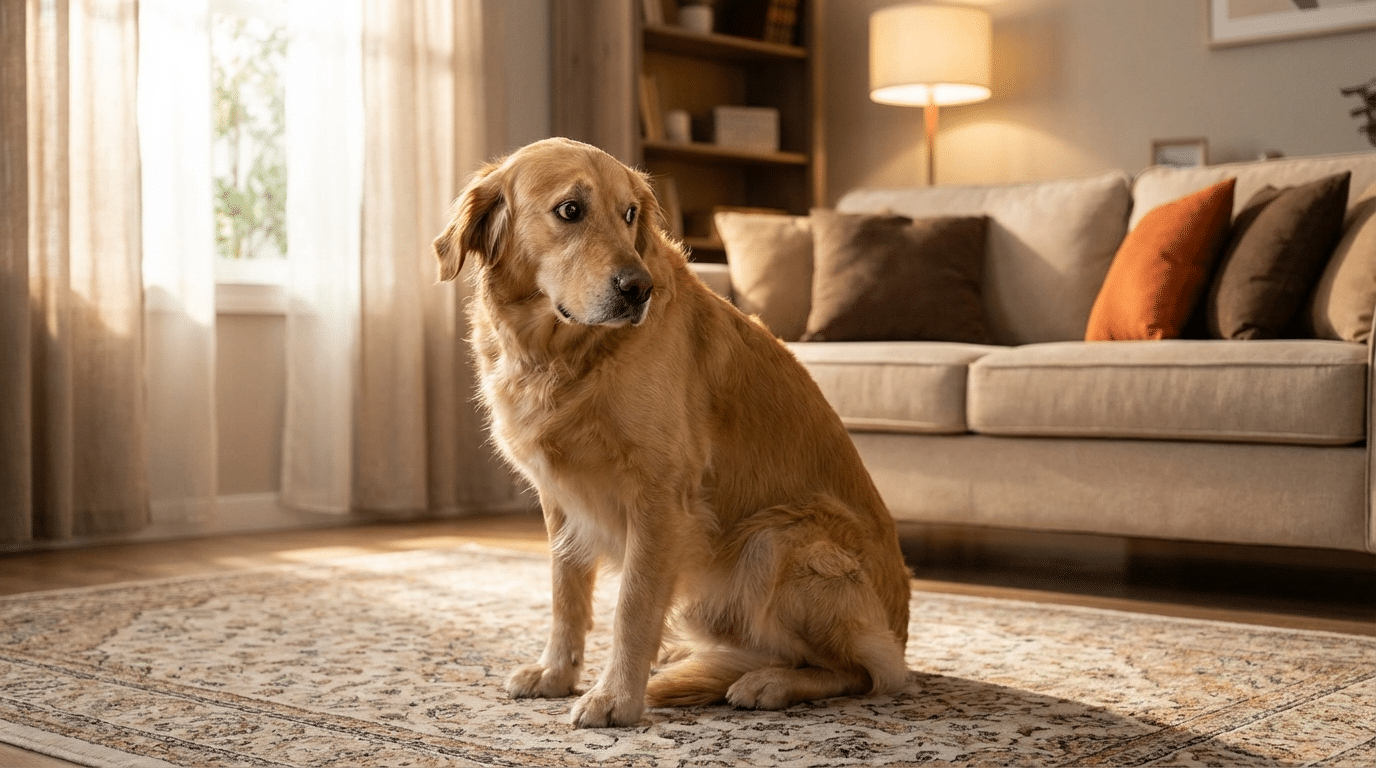
Recognizing anxiety signs early can prevent years of suffering for your beloved pet
Why Dogs Develop Anxiety
Dog anxiety isn't just "bad behavior"—it's a genuine emotional response that affects your pet's quality of life. Just like humans, dogs experience fear, stress, and worry. When these feelings become overwhelming, they manifest as anxiety.
The Most Common Anxiety Triggers
- Separation Anxiety – Affects up to 40% of dogs when left alone
- Noise Phobias – Thunderstorms, fireworks, loud sounds
- Past Trauma – Rescue dogs often carry emotional scars
- Lack of Socialization – Fear of strangers, other dogs, new environments
- Age-Related Decline – Cognitive dysfunction in senior dogs
The Hidden Culprit Most Owners Don't Know About
Here's what's alarming: most anxiety issues start with an unhealthy gut microbiome.
When your dog's gut bacteria are out of balance, their entire nervous system becomes vulnerable. The protective barrier weakens. Serotonin production drops. And suddenly, everyday situations trigger overwhelming anxiety responses.
Did You Know?
Approximately 90% of your dog's serotonin—the "feel-good" neurotransmitter—is produced in the gut, not the brain. This is why gut health is directly linked to mood and anxiety levels.
Recognizing Anxiety Signs in Your Dog
Not all anxiety looks the same. Here are the most common signs that your dog may be struggling:
Excessive Barking
Barking at nothing, non-stop vocalization, especially when alone
Pacing & Restlessness
Unable to settle, constantly moving, can't relax
Excessive Drooling
Drooling more than usual in stressful situations
Destructive Behavior
Chewing furniture, scratching doors, destroying items
Whale Eye
Showing whites of eyes, wide-eyed fearful expression
Escape Attempts
Trying to flee, hiding, seeking escape routes

Excessive barking is often a cry for help—not just "bad behavior"
Decoding Strange Dog Behaviors
Many "strange" behaviors are actually your dog's way of communicating distress. Let's decode the most common ones:
Excessive Licking or Chewing
When dogs obsessively lick their paws, legs, or furniture, it's often a self-soothing mechanism. The repetitive action releases endorphins that temporarily calm them—but can lead to skin problems and "hot spots."
Tail Chasing
While occasionally normal, compulsive tail chasing can indicate anxiety, boredom, or obsessive-compulsive disorder. If your dog does this frequently, investigate the cause.
Hiding or Seeking Enclosed Spaces
Dogs instinctively seek small, enclosed spaces when frightened. This "denning" behavior provides security. Sudden hiding often signals fear or anxiety.
Sudden Aggression
Fear-based aggression is common in anxious dogs. When a dog feels threatened and can't escape, they may resort to growling or snapping. This is defensive—not true aggression.
When to See a Vet Immediately
Sudden behavioral changes can indicate underlying health issues. Pain, thyroid problems, and neurological issues can all cause anxiety-like symptoms. Rule out medical causes first.
The Gut-Brain Connection: The Science Behind Anxiety
Here's something most pet owners don't know: your dog's gut health directly affects their mental health. This isn't just theory—it's backed by extensive scientific research.

The gut-brain axis: How your dog's digestive system communicates with their brain
The gut contains millions of neurons and produces approximately 90% of your dog's serotonin—the "feel-good" neurotransmitter. When gut health is compromised, serotonin production drops, leading to anxiety and mood disorders.
Signs of Poor Gut Health
| Sign | What It Means | Connection to Anxiety |
|---|---|---|
| Frequent digestive issues | Imbalanced microbiome | Reduced serotonin production |
| Food sensitivities | Weakened gut barrier | Inflammation affects brain |
| Dull coat/skin problems | Poor nutrient absorption | Nutritional deficiencies |
| Low energy/lethargy | Systemic inflammation | Mood dysregulation |
| Mood swings | Gut-brain axis disruption | Direct anxiety trigger |
Proven Strategies to Calm an Anxious Dog
Now for the good news—there are many effective ways to help your anxious dog. Here are strategies that have helped thousands of pets:

Creating calm routines with your dog can significantly reduce their anxiety
1. Create a Safe Space
Designate a quiet area where your dog can retreat when overwhelmed. Make it comfortable with familiar scents and soft bedding. This becomes their sanctuary.
2. Establish Consistent Routines
Dogs thrive on predictability. Feed, walk, and play at the same times each day. Consistency reduces uncertainty and helps anxious dogs feel secure.
3. Exercise and Mental Stimulation
A tired dog is a calm dog. Regular physical exercise burns off anxious energy, while mental stimulation (puzzle toys, training) keeps their mind occupied.
4. Desensitization Training
Gradually expose your dog to triggers at low intensity, rewarding calm behavior. Over time, increase exposure while maintaining positive associations.
5. Support Gut Health
This is where most owners fail—and where you can succeed. A strong gut microbiome acts as your dog's internal shield against anxiety.
- Probiotics: Add beneficial bacteria to support the gut-brain axis
- Prebiotics: Feed the good bacteria already present
- Quality Diet: Whole ingredients, avoid fillers and artificial additives
- Avoid Unnecessary Antibiotics: These disrupt the microbiome

A healthy diet is fundamental to your dog's mental and physical wellbeing
6. Calming Tools That Work
- Thundershirts: Gentle pressure that calms anxious dogs
- White Noise: Masks triggering sounds
- Pheromone Diffusers: Release calming dog pheromones
- Calming Music: Studies show certain music reduces canine stress
What NOT to Do
Avoid these common mistakes that can make anxiety worse:
Never Do These
🛡️ Protect Your Dog's Gut Health Today
A healthy gut is your dog's first line of defense against anxiety. Join thousands of owners who've transformed their dogs' lives.
Learn More About Gut HealthReal Success Stories
"Our rescue dog Max was terrified of everything. After implementing the gut health protocol and consistent training, he's like a different dog. It took about 6 weeks, but the transformation has been incredible."
"I never knew gut health could affect behavior so much. After switching to probiotics and better food, my dog's constant barking reduced by about 80%. She's calmer, happier, and so am I!"
"The desensitization techniques saved us from rehoming our dog. He had severe separation anxiety, but with patience and the right approach, he can now stay home alone for hours without issues."

With the right approach, even the most anxious dogs can learn to relax and feel secure
Frequently Asked Questions
Most dogs show initial improvement within 2-4 weeks of consistent intervention. However, significant behavioral changes typically take 2-3 months. Gut health improvements may show results in as little as 1-2 weeks. Every dog is different, and patience is key.
While some dogs can overcome anxiety entirely, others may always have a tendency toward anxious behavior. The goal is effective management that allows your dog to live a happy, comfortable life. With the right approach, even severely anxious dogs can make remarkable progress.
Not always. Many dogs respond well to behavioral modification, environmental changes, and natural supplements. Medication is typically reserved for severe cases or used temporarily during training. Always consult with your veterinarian to determine the best approach.
Yes, but calmly. Contrary to old advice, comforting your dog won't "reinforce" their fear. However, avoid excessive fussing which can increase arousal. Stay calm, speak in soothing tones, and provide gentle physical contact if your dog seeks it.
Absolutely! The gut-brain connection is well-documented. A diet rich in quality proteins, omega-3 fatty acids, and probiotics can significantly impact your dog's mood and anxiety levels. Avoiding artificial additives and fillers is also important.
Anxiety can develop at any age. Fear-based anxiety often appears during "fear periods" (8-11 weeks and 6-14 months). Separation anxiety frequently develops in young adulthood (1-3 years), while age-related anxiety typically begins in senior dogs (7+ years).
Final Thoughts
Living with an anxious dog can be challenging, but remember—your furry friend isn't choosing to be difficult. They're struggling with genuine emotional distress. With understanding, patience, and the right approach, most anxious dogs can make significant improvements.
Start with the basics: ensure optimal physical health (including gut health), establish consistent routines, provide adequate exercise, and create a safe environment. You're not alone in this journey, and neither is your dog.
Don't Wait Until It's Too Late
Every day you delay addressing your dog's anxiety is another day of unnecessary suffering. Take action now.
Get Free Anxiety Checklist