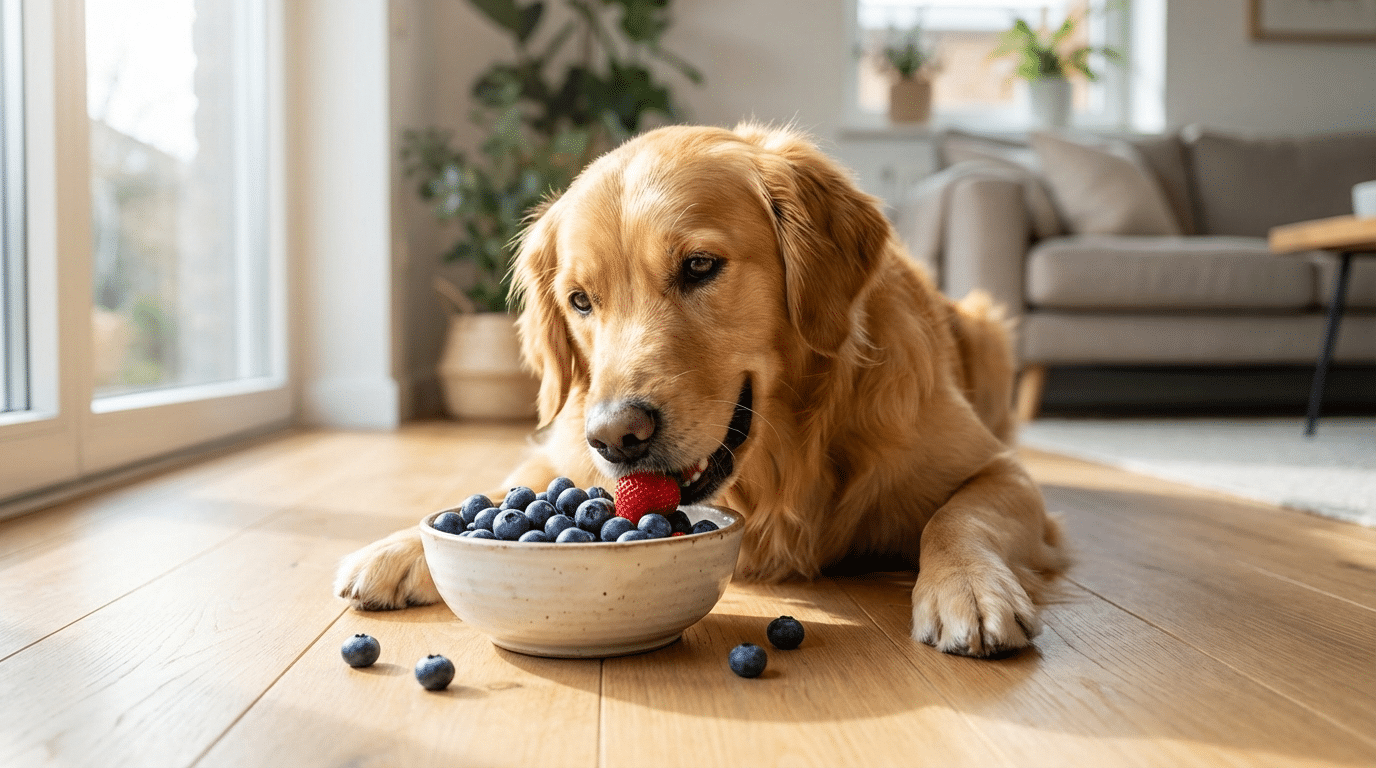
Can Dogs Eat Human Food? A Complete Introduction
You're sitting on the couch, enjoying a bowl of fresh strawberries, when your dog sits beside you with those irresistible puppy eyes. The question crosses your mind: "Can dogs eat strawberries? Can I share this with my best friend?"
The answer might surprise you—and it could save your dog's life.
According to veterinary emergency data, thousands of dogs are rushed to emergency rooms each year due to food poisoning from human foods. Some foods that seem perfectly harmless to us can be deadly to our canine companions. A single grape, a piece of chocolate, or even a stick of sugar-free gum containing xylitol can cause severe poisoning, organ failure, or death.
But here's the good news: many human foods are not only safe for dogs—they're actually beneficial! Fruits like strawberries and blueberries, vegetables like cucumbers and carrots, and proteins like chicken and salmon can be healthy treats that strengthen your bond with your dog.
In this complete guide, you'll discover:
- ✅ Safe foods: fruits, vegetables, and proteins your dog can enjoy
- ❌ Toxic and deadly foods that must be avoided at all costs
- 🚨 Emergency signs of food poisoning and what to do immediately
- 📊 Portion guidelines based on your dog's size
- 🏥 When to call the vet and how to respond to emergencies
Understanding what dogs can and can't eat is essential for every responsible dog owner. Whether you're a new puppy parent or have been living with dogs for years, this guide will give you the confidence to make safe, informed decisions about sharing food with your furry family member.
Let's dive in and keep your dog safe, healthy, and happy!
Can Dogs Eat Fruits? Safe Fruits for Dogs ✅
1. Strawberries ✅
Can dogs eat strawberries? Absolutely! Strawberries are one of the safest and healthiest fruits you can share with your dog.
Benefits:
- Rich in Vitamin C, which supports immune system health
- High in fiber, promoting healthy digestion
- Packed with antioxidants that fight inflammation and aging
- Contains an enzyme that helps whiten your dog's teeth naturally
How to Serve: Always use fresh strawberries, thoroughly washed. Cut into small, bite-sized pieces to prevent choking. Remove the green leaves and stem. Never give canned strawberries or those with added sugar.
Portion Guidelines:
- Small dogs (under 20 lbs): 1 strawberry, cut into pieces
- Medium dogs (20-50 lbs): 2-3 strawberries
- Large dogs (50+ lbs): 3-4 strawberries
2. Blueberries ✅
Can dogs eat blueberries? Yes! Blueberries are often called a "superfood" for both humans and dogs.
Benefits:
- Extremely high in antioxidants (among the highest of all fruits)
- Support brain health and cognitive function, especially in senior dogs
- Low in calories, making them perfect for training treats
- Contain vitamins C and K, fiber, and phytochemicals
How to Serve: Fresh or frozen—both are safe and healthy. Frozen blueberries make excellent summer treats for cooling down. No preparation needed; just wash and serve.
Pro Tip: Many dog trainers use blueberries as low-calorie training rewards. They're small, easy to carry, and dogs love them!
3. Apples ✅
Can dogs eat apples? Yes, but with an important precaution!
⚠️ CRITICAL WARNING:
Always remove seeds and the core. Apple seeds contain cyanide, which is toxic to dogs. Even small amounts of cyanide can accumulate and cause poisoning over time.
Benefits: High in fiber, supporting digestive health. Rich in vitamins A and C. Help clean teeth and freshen breath. Low in protein and fat, making them ideal for senior dogs.
4. Watermelon ✅
Can dogs eat watermelon? Absolutely! It's a perfect summer treat.
Benefits: 92% water—excellent for hydration on hot days. Rich in vitamins A, B6, and C. Contains potassium and antioxidants like lycopene. Very low in calories.
How to Serve: Remove ALL seeds (can cause intestinal blockage). Remove the rind (difficult to digest and can cause upset stomach). Cut into small, seedless cubes. Serve chilled for a refreshing treat.
Pro Tip: Freeze watermelon cubes for an extra-refreshing summer treat that will keep your dog cool and hydrated!
5. Bananas ✅
Can dogs eat bananas? Yes, but sparingly!
Benefits: High in potassium, supporting heart and kidney function. Contains vitamins B6 and C. Good source of fiber. Natural energy boost.
⚠️ Warning:
Bananas are high in sugar and calories. They should be given as an occasional treat, not a daily snack. Too many bananas can lead to constipation or weight gain.
Can Dogs Eat Grapes? Toxic Fruits to Avoid ❌
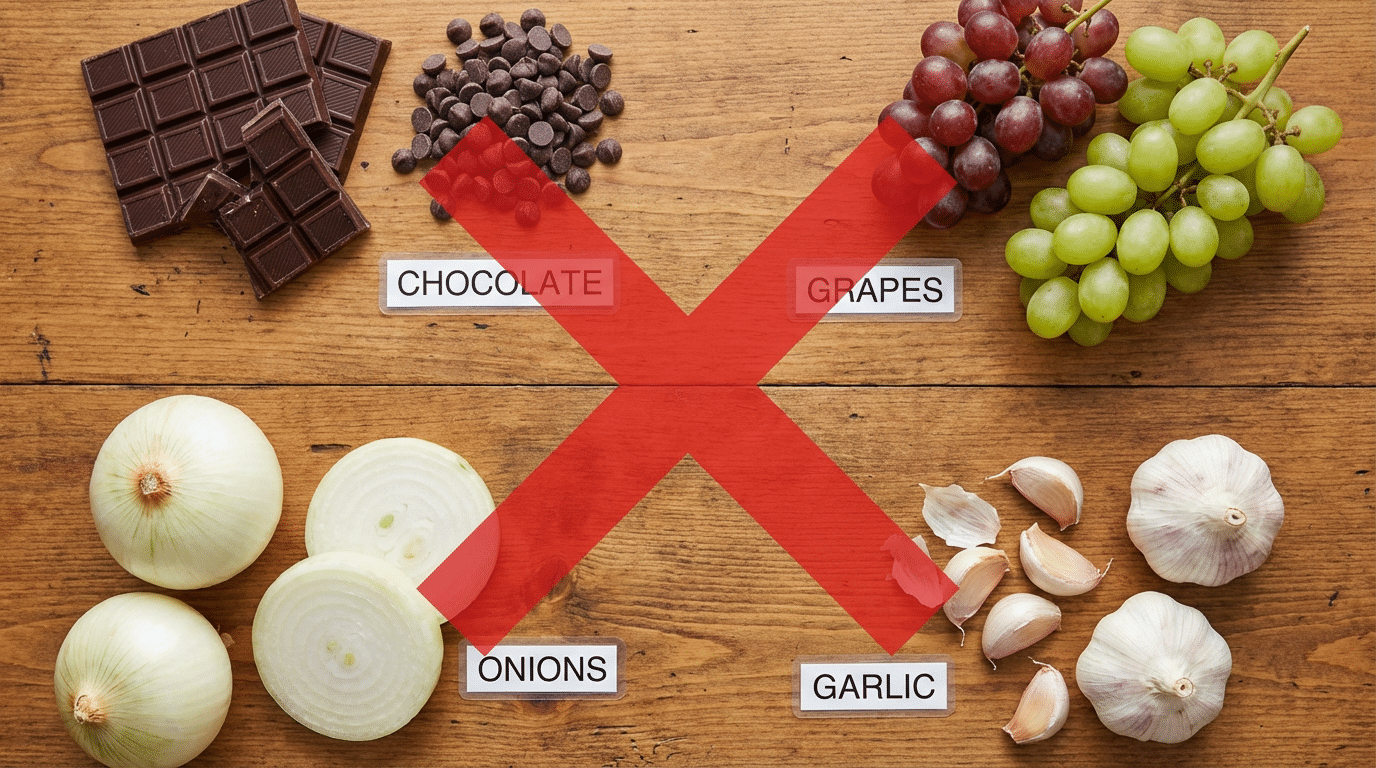
1. Grapes and Raisins ❌❌❌ (DEADLY)
Can dogs eat grapes? ABSOLUTELY NOT. Grapes and raisins are among the most dangerous foods for dogs.
🚨 EXTREME DANGER:
Grapes and raisins cause acute kidney failure in dogs. Scientists still don't fully understand the exact toxic compound, but even small amounts can be deadly. There is no "safe" amount—even one grape can poison a small dog.
Symptoms of Grape Poisoning (appear within 12-24 hours):
- Vomiting (often within a few hours)
- Diarrhea
- Loss of appetite
- Lethargy and weakness
- Abdominal pain
- Decreased urination or no urination (sign of kidney failure)
- Tremors or seizures (in severe cases)
🚨 EMERGENCY ACTION:
If your dog eats even ONE grape or raisin:
- Call your veterinarian or Pet Poison Helpline IMMEDIATELY
- Do NOT wait for symptoms to appear
- Do NOT induce vomiting unless instructed by a vet
- Time is critical—kidney damage can occur within 24-72 hours
This is a veterinary emergency. Every minute counts.
2. Avocado ❌
Can dogs eat avocado? No, it's not safe.
Why It's Toxic: Avocados contain persin, a fungicidal toxin that can cause vomiting and diarrhea in dogs. While the flesh contains less persin than the pit, skin, and leaves, it's still not recommended.
Additional Dangers: The large pit is a serious choking hazard. The pit can cause intestinal blockage if swallowed. High fat content can trigger pancreatitis in sensitive dogs.
3. Cherries ❌
Can dogs eat cherries? Not recommended.
Why They're Dangerous: Cherry pits, stems, and leaves contain cyanide, which is toxic to dogs. The pits are also choking hazards. Can cause intestinal blockage if swallowed.
Bottom Line: Skip the cherries entirely. There are many safer fruit options for your dog.
Worried About Your Dog's Digestive Health?
Even safe foods can cause problems if your dog's gut isn't balanced. PawBiotix helps protect your dog's digestive system and reduces food sensitivities naturally.
🐾 Learn More About PawBiotix✅ Veterinarian Recommended • 60-Day Guarantee
Can Dogs Eat Vegetables? Safe Veggies for Dogs ✅
1. Cucumber ✅
Can dogs eat cucumber? Yes! Cucumbers are one of the best low-calorie treats for dogs.
Benefits: Extremely low in calories (perfect for overweight dogs). High water content (about 96%)—great for hydration. Contains vitamins K, C, and B1. Crunchy texture can help freshen breath.
Pro Tip: Cucumbers make excellent training treats for dogs on a diet. They're crunchy, refreshing, and won't add extra calories!
2. Carrots ✅
Can dogs eat carrots? Absolutely! Carrots are a veterinarian-approved favorite.
Benefits: Rich in beta-carotene (converts to vitamin A for eye health). High in fiber for digestive health. Low in calories. Crunchy texture helps clean teeth and massage gums.
How to Serve: Raw (crunchy and great for dental health), cooked (easier to digest for senior dogs), or frozen (soothing for teething puppies). No seasoning, butter, or oils.
3. Sweet Potatoes ✅
Can dogs eat sweet potatoes? Yes! They're nutritious and delicious.
Benefits: Excellent source of dietary fiber. Rich in vitamins A, C, and B6. Contains manganese, potassium, and iron. Supports digestive health.
⚠️ Important:
MUST be cooked—never feed raw sweet potatoes (difficult to digest and can cause blockages). Baked, boiled, or steamed (no seasoning). Remove the skin for easier digestion.
4. Green Beans ✅
Can dogs eat green beans? Yes! They're a perfect healthy snack.
Benefits: Very low in calories. High in fiber and protein. Rich in vitamins A, C, and K. Filling—great for weight management.
Pro Tip: Some veterinarians recommend the "green bean diet" for overweight dogs—replacing up to 10% of their regular food with green beans to help them feel full while reducing calories.
Dogs and Onions, Garlic: Toxic Vegetables ❌
1. Onions ❌❌❌ (DEADLY)
Can dogs eat onions? ABSOLUTELY NOT. Onions are highly toxic to dogs.
🚨 EXTREME DANGER:
Onions contain compounds called thiosulfates, which damage red blood cells and cause hemolytic anemia. Dogs cannot digest or break down these compounds, leading to the destruction of red blood cells and potentially fatal anemia.
ALL Forms Are Toxic:
- Raw onions
- Cooked onions
- Dehydrated onions
- Onion powder (extremely concentrated and dangerous)
- Foods containing onions (soups, sauces, seasonings, baby food, etc.)
Symptoms of Onion Poisoning (may appear 1-5 days after ingestion):
- Weakness and lethargy
- Loss of appetite
- Pale or white gums
- Reddish or brown-colored urine
- Vomiting and diarrhea
- Rapid breathing or panting
- Increased heart rate
- Collapse (in severe cases)
2. Garlic ❌
Can dogs eat garlic? NO. Garlic is even more toxic than onions.
Why It's Toxic: Garlic belongs to the Allium family (same as onions) and contains the same toxic compounds—but garlic is approximately 5 times more potent than onions. Even small amounts can cause serious harm.
What About "Garlic Supplements for Dogs"? Despite some claims that small amounts of garlic can repel fleas or provide health benefits, veterinary science does not support this. The risks far outweigh any unproven benefits. Avoid garlic entirely.
3. Wild Mushrooms ❌ (DEADLY)
Can dogs eat mushrooms? Store-bought mushrooms are generally safe, but wild mushrooms can be deadly.
🚨 EXTREME DANGER:
Many wild mushroom species are highly toxic to dogs. It's nearly impossible to distinguish safe mushrooms from deadly ones without expert knowledge.
Deadly Mushroom Species:
- Death Cap (Amanita phalloides) — causes liver failure
- Destroying Angel (Amanita species) — causes organ failure
- Other toxic varieties found in yards and parks
Emergency Action: If your dog eats a wild mushroom, try to identify the mushroom (take a photo if possible), call your vet or Pet Poison Helpline IMMEDIATELY, and do not wait for symptoms—some mushroom toxins cause delayed symptoms while causing irreversible organ damage.
Can Dogs Eat Turkey, Chicken, Eggs? Proteins & Dairy Guide
Safe Proteins ✅
1. Chicken ✅
Can dogs eat chicken? Yes! Chicken is one of the safest and most common proteins for dogs.
How to Serve: MUST be cooked thoroughly (never raw—risk of Salmonella). Plain only—no seasoning, garlic, onions, or oils. Remove all bones (cooked bones splinter and cause choking/blockages). Boneless, skinless chicken breast is best.
⚠️ Warning:
Never feed cooked chicken bones. They splinter easily and can cause choking, intestinal blockage, or perforation.
2. Salmon ✅
Can dogs eat salmon? Yes, when properly cooked!
Benefits: Rich in omega-3 fatty acids (EPA and DHA). Supports skin and coat health. Reduces inflammation. Supports brain and heart health.
⚠️ Warning:
Raw or undercooked salmon can contain parasites that cause "salmon poisoning disease," which can be fatal if untreated. Always cook salmon thoroughly.
3. Eggs ✅
Can dogs eat eggs? Yes! Eggs are a nutritional powerhouse for dogs.
Benefits: Complete protein source with all essential amino acids. Rich in vitamins A, D, E, and B12. Biotin supports healthy skin and coat. Highly digestible.
How to Serve: MUST be cooked—never raw (risk of Salmonella and biotin deficiency). Scrambled, boiled, or poached. No butter, oil, salt, or seasonings.
4. Peanut Butter ✅ (With CRITICAL Warning)
Can dogs eat peanut butter? Yes, but you MUST check the ingredients first!
🚨 CRITICAL WARNING — CHECK FOR XYLITOL:
Xylitol is an artificial sweetener that is DEADLY to dogs. Many sugar-free and "natural" peanut butter brands now contain xylitol.
Even small amounts of xylitol cause:
- Rapid insulin release
- Severe hypoglycemia (low blood sugar)
- Liver failure
- Seizures
- Death
Safe Peanut Butter Brands: Jif (regular, not sugar-free), Skippy (regular), Peter Pan (regular), Natural peanut butter with ONLY peanuts and salt.
Dairy — Proceed With Caution ⚠️
1. Cheese ⚠️
Can dogs eat cheese? Most dogs can tolerate small amounts, but many are lactose intolerant.
Why Caution Is Needed: Most adult dogs are lactose intolerant to some degree. High in fat—can cause pancreatitis. High in calories—can lead to weight gain.
2. Milk ❌
Can dogs drink milk? Not recommended. Most dogs are lactose intolerant and lack the enzyme lactase needed to break down lactose. Can cause digestive upset.
3. Yogurt ✅ (Plain, Unsweetened Only)
Can dogs eat yogurt? Yes, but only plain, unsweetened yogurt.
Benefits: Contains probiotics that support digestive health. High in protein and calcium. Easier to digest than milk (lower lactose).
⚠️ Warning:
Always check the ingredient label. Many flavored yogurts contain xylitol, which is deadly to dogs. Avoid any yogurt with artificial sweeteners.
Can Dogs Eat Chocolate? Deadly Foods to Avoid
The following foods are extremely toxic to dogs and can cause severe illness or death. Even small amounts can be dangerous. If your dog consumes any of these foods, contact your veterinarian or Pet Poison Helpline immediately.
1. Chocolate ❌❌❌ (DEADLY)
Can dogs eat chocolate? ABSOLUTELY NOT. Chocolate is one of the most common causes of dog poisoning.
🚨 EXTREME DANGER:
Chocolate contains theobromine and caffeine, both of which are toxic to dogs. Dogs metabolize theobromine much more slowly than humans, allowing it to build up to toxic levels in their system.
Most Dangerous Types (from most to least toxic):
- Cocoa powder (highest theobromine content)
- Unsweetened baker's chocolate
- Dark chocolate
- Milk chocolate
- White chocolate (lowest, but still not safe)
Symptoms (appear within 6-12 hours):
- Vomiting and diarrhea
- Increased thirst and urination
- Restlessness and hyperactivity
- Rapid breathing or panting
- Increased heart rate
- Tremors and muscle twitching
- Seizures
- Heart failure
- Death (in severe cases)
2. Xylitol ❌❌❌ (DEADLY)
Can dogs eat xylitol? ABSOLUTELY NOT. Xylitol is extremely toxic and can be fatal.
🚨 LIFE-THREATENING EMERGENCY:
In dogs, xylitol causes a rapid release of insulin, leading to severe hypoglycemia (low blood sugar). It can also cause acute liver failure.
As little as 0.1 gram per kilogram of body weight can cause hypoglycemia. One piece of sugar-free gum can be toxic to a small dog.
Where Xylitol Is Found:
- Sugar-free gum and candy
- Sugar-free peanut butter
- Sugar-free baked goods
- Some medications and vitamins
- Toothpaste and mouthwash
- Sugar-free desserts and ice cream
3. Macadamia Nuts ❌
Can dogs eat macadamia nuts? NO. They are toxic to dogs.
Symptoms (appear within 12 hours): Weakness, especially in hind legs. Vomiting. Tremors and muscle shaking. Hyperthermia (elevated body temperature). Loss of coordination.
Good News: Macadamia nut poisoning is rarely fatal, and most dogs recover within 48 hours with supportive care.
4. Alcohol ❌❌❌ (DEADLY)
Can dogs drink alcohol? ABSOLUTELY NOT. Alcohol is highly toxic to dogs.
Dogs are much more sensitive to alcohol than humans. Even small amounts can cause alcohol poisoning.
5. Cooked Bones ❌
Can dogs eat cooked bones? NO. Cooked bones are extremely dangerous.
🚨 DANGER:
Cooking changes the structure of bones, making them brittle and prone to splintering. These sharp splinters can cause:
- Choking
- Mouth and tongue injuries
- Obstruction in the throat or intestines
- Perforation of the stomach or intestines
- Severe internal bleeding
- Death
Most Dangerous Bones: Chicken bones, turkey bones, pork chop bones, rib bones, any cooked poultry or fish bones.
Prevention Is Better Than Emergency Vet Visits
A healthy gut means better immunity and faster recovery. PawBiotix strengthens your dog's digestive system so they can better handle accidental food exposure.
🛒 Get Up to 50% OFF Today✅ 100% Natural • Made in USA • GMP Certified
Dog Ate Toxic Food? Emergency Guide & What To Do

Time is critical in a poisoning emergency. Knowing what to do can save your dog's life.
🚨 IMMEDIATE STEPS:
- Stay Calm - Panic can cloud your judgment. Take a deep breath and act quickly but thoughtfully.
- Identify What and How Much Was Consumed - What food or substance did your dog eat? How much? When did it happen?
- Call for Professional Help Immediately - Your veterinarian, emergency veterinary clinic, Pet Poison Helpline: (855) 764-7661
- Do NOT Induce Vomiting Unless Instructed - Some substances cause more harm coming back up
- Follow Veterinary Instructions Exactly
- Bring Evidence to the Vet - The food packaging, sample of vomit, any remaining food
Symptoms to Watch For:
Digestive Symptoms: Vomiting, diarrhea (may be bloody), excessive drooling, loss of appetite, abdominal pain or bloating
Neurological Symptoms: Weakness or lethargy, disorientation or confusion, loss of coordination or stumbling, tremors or shaking, seizures, collapse or loss of consciousness
Cardiovascular Symptoms: Rapid heart rate, irregular heartbeat, difficulty breathing or panting, pale or white gums
⚠️ ANY of these symptoms require immediate veterinary attention.
When to Go to Emergency Vet:
Go to the emergency vet immediately if your dog has consumed:
- Chocolate (any amount)
- Grapes or raisins (even one)
- Onions or garlic
- Xylitol (any amount)
- Alcohol
- Macadamia nuts
- Wild mushrooms
- Cooked bones
Do not wait for symptoms to appear with these foods—the damage may already be occurring internally.
Dog Nutrition: Portion Guidelines & Safe Feeding Rules
The 10% Rule:
The most important rule for feeding human food to dogs:
Treats and human food should make up no more than 10% of your dog's[object Object] daily caloric intake.
Why This Matters:
- Your dog's regular food is formulated to be nutritionally complete and balanced
- Too many treats can lead to nutritional imbalances
- Excess calories lead to obesity and related health problems
- Digestive upset is more likely with too much human food
General Feeding Rules:
- Introduce New Foods Gradually - Start with a very small amount, wait 24-48 hours to watch for reactions
- Watch for Allergic Reactions or Sensitivities - Itching, ear infections, vomiting, diarrhea, gas
- Always Wash Fruits and Vegetables - Remove pesticides and bacteria
- Remove Seeds, Pits, Stems, and Cores - Apple seeds contain cyanide, cherry pits are toxic
- No Seasoning, Salt, Sugar, or Oils - Dogs don't need added flavors
- Cut Food Into Appropriate Sizes - Prevent choking hazards
- Never Feed Directly From the Table - Encourages begging behavior
- Consider Your Dog's Individual Needs - Puppies, seniors, overweight dogs, health conditions
- Fresh Water Always Available - Especially important when feeding fruits and vegetables
- When in Doubt, Ask Your Vet - Every dog is different
What Dogs Can't Eat: Final Summary & Safety Tips
Congratulations! You now have a comprehensive understanding of what dogs can and can't eat.
Let's recap the most important points:
✅ SAFE FOODS YOUR DOG CAN ENJOY:
- Fruits: Strawberries, blueberries, apples (no seeds), watermelon (no seeds/rind), pineapple, bananas
- Vegetables: Cucumber, carrots, sweet potatoes (cooked), green beans, broccoli (small amounts)
- Proteins: Chicken (cooked, no bones), salmon (cooked), eggs (cooked), peanut butter (check for xylitol!)
- Dairy: Plain yogurt (small amounts), cheese (small amounts, watch for lactose intolerance)
❌ TOXIC FOODS TO AVOID AT ALL COSTS:
- Grapes and raisins (kidney failure)
- Onions and garlic (anemia)
- Chocolate (theobromine poisoning)
- Xylitol (hypoglycemia and liver failure)
- Macadamia nuts (weakness and tremors)
- Alcohol (poisoning)
- Caffeine (similar to chocolate)
- Cooked bones (splintering and blockages)
- Wild mushrooms (organ failure)
- Avocado (persin toxicity)
🎯 THE BOTTOM LINE:
Sharing food with your dog can be a wonderful way to bond and provide healthy variety in their diet—but only when done safely and responsibly.
When in doubt, don't give it out. If you're unsure whether a food is safe, it's always better to err on the side of caution and skip it.
Your dog's health and safety are worth more than any treat.
By following the guidelines in this comprehensive guide, you can confidently share safe, healthy foods with your dog while avoiding dangerous toxins. You're now equipped to make informed decisions that will keep your furry family member safe, healthy, and happy for years to come.
Remember: Prevention is always easier than treatment. Keep toxic foods out of reach, educate everyone in your household, and always supervise your dog around food.
Your dog trusts you to keep them safe. With the knowledge you've gained from this guide, you're ready to be the responsible, informed dog owner your pet deserves.
Take Action Now:
- 📌 Bookmark this guide for future reference
- 📤 Share it with other dog owners to help keep their pets safe
- 💬 What's your dog's favorite safe treat? We'd love to hear in the comments!
- 🔔 Subscribe to our newsletter for more dog safety and health guides
🐕 Here's to many more years of tail wags, wet nose kisses, and safe treat-sharing! 🐕